A catalog isn't a document. It's a selection with a date on it.
Keep the selection. Generate a PDF from it whenever you need one, with prices refreshed at the moment you press the button, and send a web link that's always current. When the dates run out, the catalog says so itself.
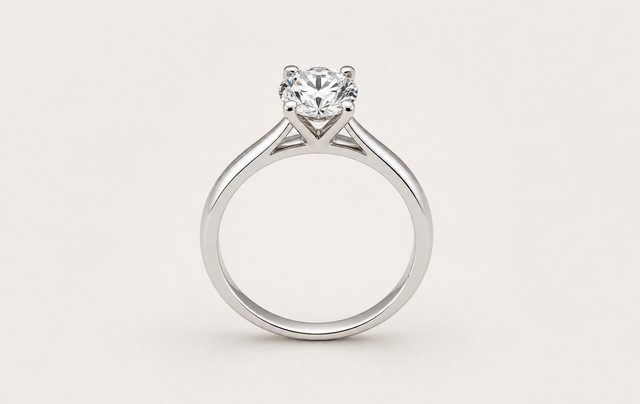
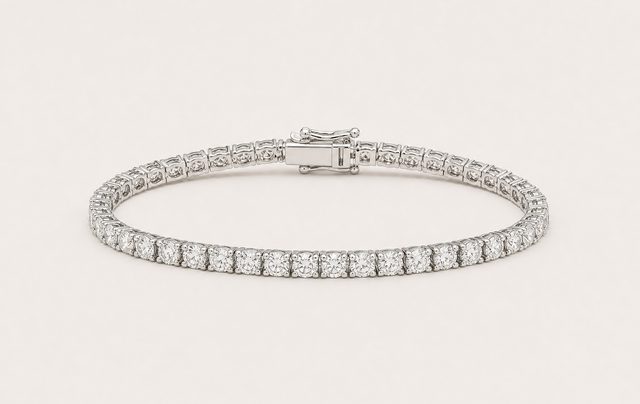
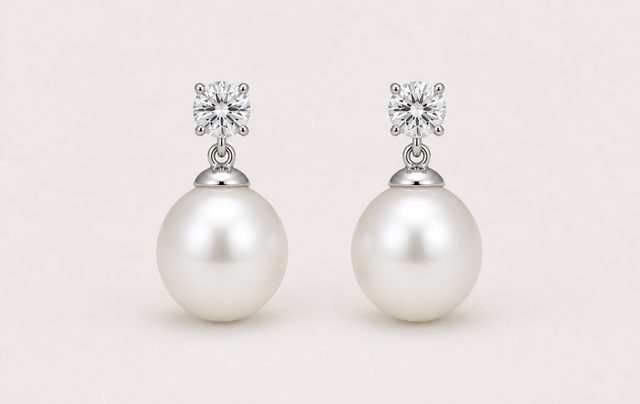
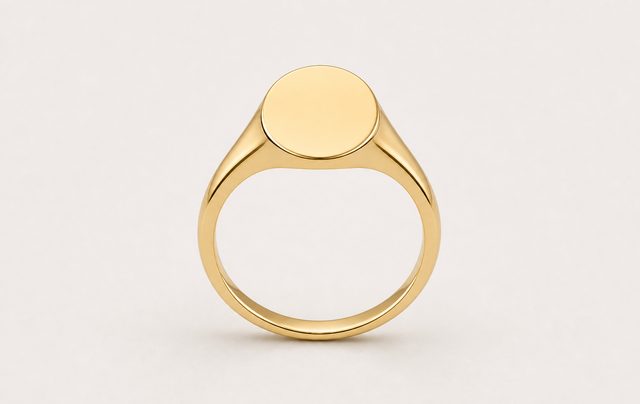
A furniture catalog lasts a season. Yours lasts a fortnight.
Sell a sofa and the shop still has sofas. Sell a ring and that ring is gone, because there was one. Every catalog you send is a list of things disappearing one at a time, and the good pieces go first.
Then gold moves and the prices are wrong too. So a catalog can't be a file you maintain. It has to be something cheap enough to remake on the morning you need it, which is why every catalog here carries a validity window and tells you where it stands.
Set a valid-from and valid-until and the status follows from the dates. A catalog you forgot about is labelled, not silently circulating.
This is what a static file looks like after three weeks, not a Gem Logic screen. The fix isn't better tracking. It's making a fresh one so cheap that you always do.
You don't edit last month's catalog. You generate this month's.
The catalog is the selection: the pieces, in the order you put them, with your logo and your accent colour. Each PDF is a snapshot of that selection on a particular day, kept with its date and its own link. Generate as many as you like, and delete the ones that have had their moment.
Search, add, drag. Nothing gets retyped.
Photos, names, SKUs and prices already live on your products, so building a catalog is choosing, not authoring. Start typing and the search offers pieces with their thumbnail and price. Anything already in this catalog is left out of the results, so you can't add it twice. For pieces with no photo or description yet, the AI jewelry tools fill the gap before you print.
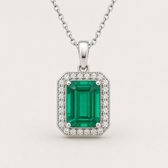
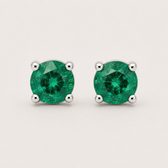
A link for the buyer. A file for their accountant.
Two shareable things, and they do different jobs. Neither asks anyone to make an account.
A branded page at its own address, showing the current selection, built from the same photos as your webshop. It opens on a phone at a fair, there's nothing to download, and it can't sit in an inbox getting older, because it isn't a copy.
Print quality, laid out for you, and fixed at the moment you made it. That fixedness is the point: it's the version you can both refer back to when a buyer rings in October about a price from June.
Three settings, and it stops looking like software.
There is no template gallery to get lost in. A logo, one accent colour and a language: that's the whole design decision, and it's the right amount for a document whose job is to show the pieces.
Filled in from your store's branding when you create the catalog, so the first one is already right. Change it per catalog if a collection, or one of your stores, has its own mark.
It sets the prices and the dividers. One colour is deliberate: pick the one from your shopfront and the document reads as yours.
Set the catalog to your buyer's language and the product titles and descriptions come through translated, not just the headings. Selling into France should read like it.
Four occasions that want four different catalogs.
One master file never fits all of them, which is why most jewelers send the wrong one. Keep four selections instead and generate from whichever suits the morning.
Everything on the stand, valid for the week of the show, sent as a link from the stand while the buyer is still in front of you.
Eight pieces chosen for the person coming in on Thursday, valid to the end of the week and sent before the appointment. It doesn't need to outlive the meeting.
Their language, and only the lines you're happy to supply repeatedly. Regenerate each season from the same selection, and send the pieces they ask to see out on memo.
Scheduled ahead of the launch date, so it sits dormant until the day it should go live rather than being sent early by accident.
A catalog is only as good as what's behind it.
When was the catalog you're sending today actually made?
Book a demo and we'll build one from your own stock while you watch, then a second, for a different buyer, so you can see what keeping one master file has been costing.